
The gut microbiome is one of the most important components of overall health. The human body is home to trillions of bacteria. Microorganisms such as bacteria, fungi, and viruses influence every aspect of our health, from nutrition to immune system function and even mental well-being. In recent years, interest in the connection between gut health and overall health has grown significantly. Research shows the profound impact gut bacteria have on daily life. This article explores how to maintain a healthy gut for optimal health.
What is the Gut Microbiome?
The trillions of bacteria that live in the gastrointestinal tract are collectively called the gut microbiome. These microorganisms play a crucial role in bodily processes, including nutrition, immune system regulation, and the synthesis of essential nutrients. Each person’s gut microbiome is unique and influenced by genetics, diet, environment, and lifestyle.
A healthy gut microbiome contains a diverse range of beneficial bacteria that work together to maintain a well-functioning digestive system. When the balance between beneficial and harmful bacteria is disrupted, stomach discomfort, inflammation, and other health problems can arise.
The Importance of a Healthy Gut for Digestion
Gut bacteria contribute to nutrition by breaking down food that your digestive system cannot process on its own. Complex carbohydrates and fibers are fermented by gut bacteria, producing short-chain fatty acids (SCFAs). SCFAs provide energy to stomach cells and maintain a healthy intestinal lining.
Beyond digestion, gut bacteria also help the body absorb essential nutrients, including vitamins, minerals, and amino acids. Disruption in gut bacteria balance can cause bloating, gas, diarrhea, and in severe cases, worsen conditions like irritable bowel syndrome (IBS), inflammatory bowel disease (IBD), and food intolerances.
The Gut-Immune System Connection
Gut bacteria are closely linked to the immune system. Approximately 70% of the immune system resides in the gut, where the microbiome helps regulate immune responses. Beneficial bacteria support the production of immune cells, such as T cells, which are essential for fighting disease.
A balanced microbiome helps control inflammation, while an imbalanced microbiome can lead to chronic inflammation. Chronic inflammation is associated with autoimmune diseases, allergies, and even certain types of cancer. By taking care of your gut, you strengthen your immune system, reduce inflammation, and support overall health.
Gut and Brain Health: The Gut-Brain Axis
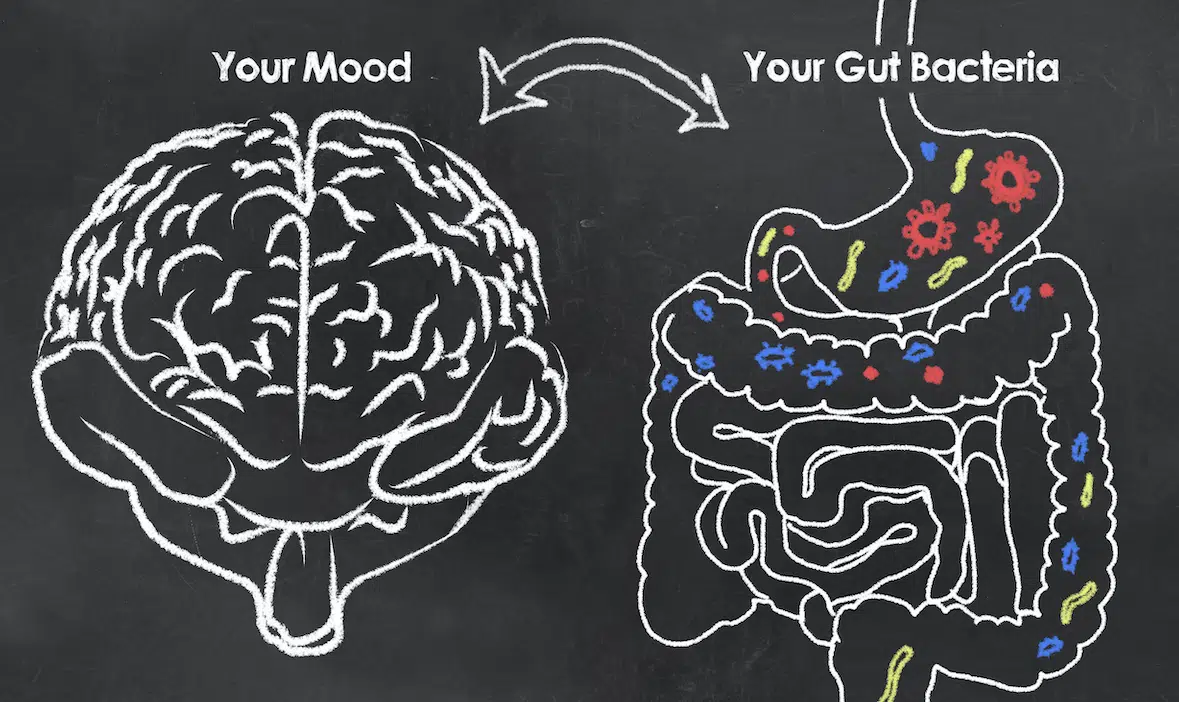
Scientists have discovered a strong connection between gut bacteria and mental health, known as the “gut-brain axis.” The gut and brain communicate in both directions, and gut bacteria produce neurotransmitters such as serotonin and dopamine, which regulate mood, cognition, and feelings.
Approximately 90% of serotonin, often called the “feel-good” chemical, is produced in the gut. A healthy gut ensures balanced production of these neurotransmitters, supporting mental health. Conversely, an imbalanced microbiome can disrupt neurotransmitter production, leading to anxiety, low mood, and memory problems.
Probiotics and prebiotics can help restore gut bacteria balance, which may improve mental health. A fiber-rich diet and fermented foods have been shown to support gut health and may help alleviate depression and anxiety.
The Microbiome and Weight Management
Gut bacteria play a key role in regulating metabolism and body weight. Some bacteria influence how the body breaks down and stores fat. An imbalanced microbiome may contribute to weight gain and obesity, while a healthy microbiome helps regulate metabolism and improve fat utilization.
A balanced microbiome can also improve insulin sensitivity, glucose metabolism, and energy extraction from food, supporting healthy weight management.
How to Maintain a Healthy Gut
1. Eat a Varied Diet
Support your gut flora by eating a variety of plant-based foods. Fruits, vegetables, whole grains, legumes, and nuts provide the nutrients, fiber, and vitamins beneficial bacteria need to thrive. A varied diet contributes to a diverse gut microbiome.
2. Consume Probiotics and Prebiotics
-
Probiotics: Found in fermented foods like yogurt, kefir, kimchi, and sauerkraut. These introduce beneficial bacteria into the gut.
-
Prebiotics: Found in garlic, onions, bananas, and asparagus. These indigestible fibers feed and nourish the beneficial bacteria.
3. Reduce Sugar and Processed Foods
High-sugar and processed foods promote harmful bacteria and yeast in the gut. They are often low in fiber and high in artificial additives, which can disrupt the microbiome. Limit processed foods and sugary snacks, and prioritize nutrient-rich, unprocessed foods.
4. Drink Plenty of Water
Hydration supports digestion, nutrient absorption, and a healthy gut lining. Aim to drink at least eight glasses of water daily, and include water-rich foods such as fruits and vegetables.
5. Exercise Regularly
Physical activity supports a diverse and healthy microbiome. Exercise promotes gut muscle function, digestion, and overall well-being. Activities like walking, running, swimming, or strength training benefit gut health.
Frequently Asked Questions
1. What is the gut microbiome?
The gut microbiome includes all bacteria, fungi, viruses, and microorganisms in the digestive system, playing a key role in nutrition, immunity, and overall health.
2. How does gut health affect mental health?
Gut bacteria produce neurotransmitters like serotonin and dopamine, which regulate mood. Imbalances can lead to stress, anxiety, and low mood.
3. Does gut health affect the immune system?
Yes, 70% of the immune system is located in the gut. A balanced microbiome supports immunity and reduces inflammation.
4. How can I improve my gut health?
Eat fiber-rich foods, prebiotics, and probiotics; limit sugar and processed foods; stay hydrated; manage stress; and exercise regularly.
5. Does gut health affect weight?
Yes. Gut bacteria influence metabolism and fat storage. A balanced microbiome supports healthy weight management.
Conclusion
The gut microbiome is a powerful and complex system that profoundly affects overall health. It supports digestion, immunity, mental health, and weight management. Maintaining a healthy gut through a varied diet, probiotics, prebiotics, hydration, exercise, and stress management can improve your health and quality of life. Prioritizing gut health is an investment in long-term well-being, helping you feel healthier, more energetic, and live a longer, healthier life.