
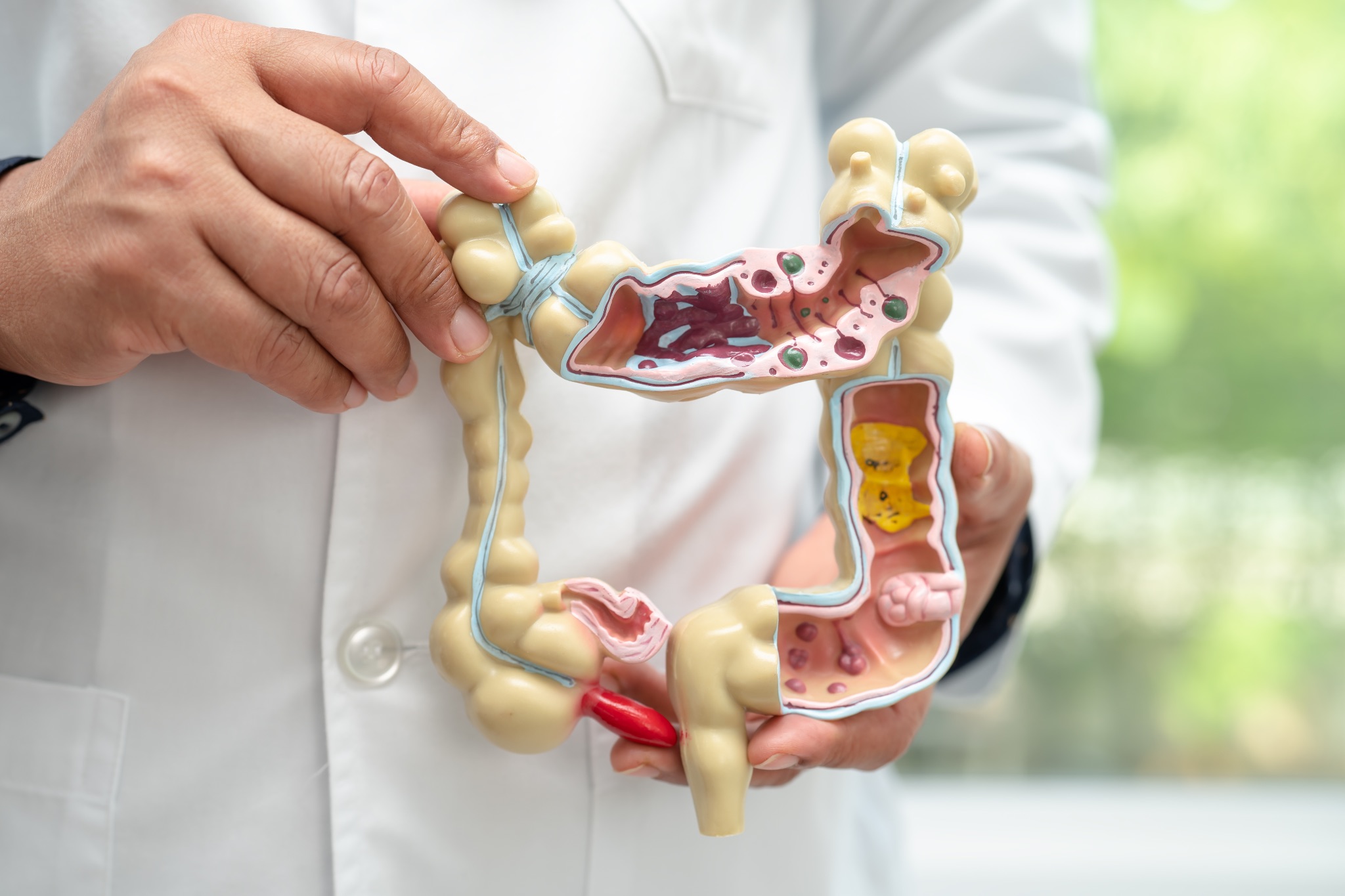
Gut health has been one of the most talked-about topics in the health and fitness world in recent years. As our understanding of how our gut microbiome influences everything from nutrition to mental health and immune function grows, it’s more important than ever to take good care of your digestive system. A healthy gut not only prevents stomach issues like gas and bloating but is also crucial for your overall health. This article explores some simple and practical tips for a healthier, more balanced digestive system.
Gut Health and the Microbiome
Your gut is home to a wide variety of microorganisms, including bacteria, viruses, fungi, and other pathogens. The gut microbiome is the collective name for these organisms. The balance of these bacteria is crucial to your health, including your immune system, metabolism, nutrition, and even your mental health. When your gut microbiome is healthy, your digestive system functions well and your body can extract essential nutrients from food. On the other hand, when your microbiome is out of balance (a condition called dysbiosis), it can lead to stomach pain, inflammation, and other health problems.
1. Eat More Fiber-Rich Foods
Eating plenty of fiber is one of the best ways to maintain healthy gut flora. Fiber feeds the good bacteria in your gut, helping them grow and stay balanced. Plant foods like nuts, fruits, vegetables, whole grains, and legumes are all good sources of fiber. Choose a varied, fiber-rich diet to ensure you get a variety of good bacteria.
Fiber helps maintain healthy gut flora and breaks down food. It promotes smooth digestion, helps regulate bowel movements, and prevents constipation. Fiber also helps your body produce short-chain fatty acids (SCFAs), which are essential for maintaining healthy gut cells and reducing inflammation.
2. Eat More Foods Rich in Probiotics and Prebiotics
Probiotics are beneficial bacteria that can help restore normal gut flora, especially after changes like taking antibiotics. Prebiotics, on the other hand, are indigestible proteins that feed the beneficial bacteria in your gut. A moderate intake of probiotics and prebiotics can help maintain healthy gut flora.
- Probiotic Foods: Yogurt, kefir, kimchi, sauerkraut, and kombucha contain live cultures that help your gut develop new, beneficial bacteria.
- Prebiotic Foods: Garlic, onions, artichokes, bananas, and leeks provide nutrients for beneficial bacteria to thrive.
Adding probiotics and prebiotics to your diet can help normalize your gut flora and improve digestion.
3. Drink Plenty of Water
Staying hydrated is important for both digestion and gut health. Water helps your gut break down food, absorb nutrients, and eliminate waste. Drinking enough water improves digestion and reduces the risk of constipation and bloating.
The intestinal lining protects against harmful bacteria, and drinking enough water is crucial for healthy gut flora. Aim for at least eight glasses of water a day. Watery herbal teas, fruits, and vegetables can also help you stay hydrated.
4. Reduce Sugar and Processed Foods
Highly processed foods and sugary snacks can be harmful to your gut flora. These foods are often low in fiber and high in sugar, artificial flavors, and chemicals, which can promote harmful bacteria and yeast in your gut. An imbalanced gut flora is associated with a diet high in refined sugars, leading to inflammation, stomach problems, and even obesity.
To maintain healthy gut flora, try to limit processed foods, sugary snacks, and beverages. Instead, eat nutritious, unprocessed foods like fresh fruits and vegetables, lean meats, and unprocessed carbohydrates.
5. Exercise Regularly
Exercise is another good way to improve gut health. It strengthens your gut muscles, allowing food and waste to move through your digestive system more quickly. Studies have shown that regular exercise can improve the diversity of your gut flora, a sign of a healthy microbiome.
Being active also helps reduce inflammation, which is beneficial for your gut. Try to get some light exercise most days of the week.
6. Manage Stress
When you’re anxious, your body produces stress hormones that can affect your gut health and lead to bloating, gas, and constipation. To maintain healthy gut flora, managing stress is essential.
Effective stress-reduction techniques include:
- Yoga and meditation
- Deep breathing exercises
- Spending time in nature
- Getting enough sleep
7. Avoid Unnecessary Antibiotics
Antibiotics are necessary to treat bacterial infections, but they can disrupt the balance of your gut flora. Antibiotics kill both beneficial and harmful bacteria, temporarily disrupting your gut flora. If you must take antibiotics, consider taking a probiotic supplement to maintain the balance of beneficial bacteria.
Always follow your doctor’s instructions and only take antibiotics when recommended.
8. Get Enough Rest
Adequate sleep is crucial for maintaining healthy gut flora. Your body repairs itself and creates new cells during sleep, including those in your digestive system. Changes in your gut flora have been linked to sleep deprivation, affecting digestion, metabolism, and the immune system.
Aim for 7 to 9 hours of sleep per night. Maintaining a regular sleep schedule, limiting screen time before bed, and following a relaxing bedtime routine can all support better sleep and gut health.
Frequently Asked Questions
1. How can you easily improve your gut health?
Eat plenty of dietary fiber, take probiotics and prebiotics, drink plenty of water, exercise daily, manage stress, and get enough sleep. Avoid processed foods, sugar, and excessive antibiotic use.
2. Which foods are best for gut health?
Fiber-rich fruits and vegetables, whole grains, legumes, fermented foods like yogurt and kimchi, and prebiotic-rich foods like garlic, onions, and bananas are excellent for gut health.
3. Is worrying harmful to your gut health?
Yes. Chronic worry can disrupt the gut-brain connection, leading to digestive, immune, and mood problems. Stress management through yoga, meditation, and deep breathing helps maintain a healthy gut.
4. How much water should I drink for a healthy gut?
Drink at least eight glasses of water daily to support digestion, nutrient absorption, and a healthy gut lining.
5. Do probiotics contribute to a healthy gut?
Yes. Probiotics help restore the balance of your gut flora, especially after medications or digestive issues. Fermented foods like yogurt, kefir, and kimchi are rich in probiotics.
Summary
A healthy gut is crucial for overall health. By eating a high-fiber diet, taking probiotics and prebiotics, drinking enough fluids, exercising daily, and managing stress, you can support your digestion and overall well-being. Prioritizing gut health strengthens immunity, promotes mental health, and makes your life healthier and easier. Start with small steps today to improve your gut health and feel better.