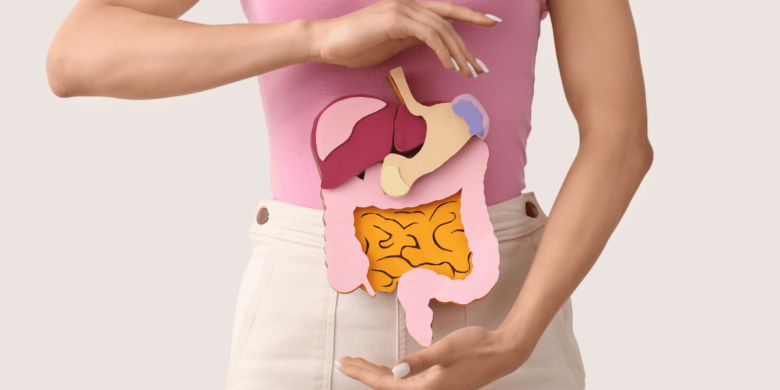
Your stomach churns before a big presentation. You feel butterflies when you’re nervous. You get “hangry” when you haven’t eaten. These aren’t just expressions—they’re your gut talking to your brain, and science is finally catching up to what many cultures have known for centuries: gut health is fundamental to overall wellness.
The trillions of microorganisms living in your digestive system don’t just help break down food. They influence your immune system, mental health, energy levels, and even your skin. Yet most people know surprisingly little about how to care for this complex ecosystem that plays such a crucial role in their daily lives.
Understanding how your gut works and what it needs to thrive can transform how you feel, think, and function. This isn’t about following the latest health fad—it’s about making informed choices based on growing scientific evidence about one of your body’s most important systems.
Understanding the Gut Microbiome
Your gut microbiome is like a bustling city of microorganisms—bacteria, viruses, fungi, and other microbes—that call your digestive tract home. Scientists estimate you carry around 100 trillion of these tiny residents, which is roughly the same number as your human cells.
These microorganisms aren’t just along for the ride. They form a complex ecosystem that helps digest food, produces vitamins like B12 and vitamin K, and communicates directly with your brain through what researchers call the gut-brain axis. This two-way communication highway explains why gut problems often coincide with mood changes and why stress can trigger digestive issues.
Your microbiome is as unique as your fingerprint. It’s shaped by factors like how you were born, what you ate as a child, where you live, and your genetic makeup. A diverse, balanced microbiome typically indicates good gut health, while an imbalanced one—called dysbiosis—can contribute to various health problems.
The key players in your gut include beneficial bacteria like Lactobacillus and Bifidobacterium, which help maintain the intestinal barrier and support immune function. When these good bacteria thrive, they crowd out potentially harmful microorganisms and create an environment that supports your health.
Factors Affecting Gut Health
Your gut microbiome responds to your lifestyle choices more dramatically than you might expect. What you eat, how you live, and even the medications you take can shift the balance of microorganisms in your digestive system within days.
Diet plays the starring role in gut health. Processed foods high in sugar and artificial additives can feed harmful bacteria while starving beneficial ones. Ultra-processed foods often lack the fiber that good bacteria need to survive and multiply. On the flip side, a diet rich in diverse plant foods provides the variety of fibers that support a thriving microbiome.
Lifestyle factors significantly impact your gut ecosystem. Chronic stress triggers the release of hormones that can alter gut bacteria composition and increase intestinal permeability—sometimes called “leaky gut.” Poor sleep patterns disrupt the natural rhythms of gut bacteria, while regular physical activity promotes microbial diversity.
Medications, particularly antibiotics, can dramatically alter your gut microbiome. While antibiotics are sometimes necessary and lifesaving, they don’t discriminate between harmful and beneficial bacteria. Other medications like proton pump inhibitors (used for acid reflux) and non-steroidal anti-inflammatory drugs can also affect gut health when used long-term.
Environmental factors such as exposure to chemicals, pollution, and even cleaning products can influence your microbiome. Overly sterile environments might limit exposure to beneficial microbes, while excessive use of antibacterial products can disrupt the natural balance.
Benefits of a Healthy Gut
A well-functioning gut does far more than prevent digestive discomfort. The benefits ripple throughout your entire body, influencing systems you might not expect.
Improved digestion is the most obvious benefit. A healthy gut efficiently breaks down food, absorbs nutrients, and eliminates waste. You’ll experience less bloating, gas, and irregular bowel movements when your microbiome is balanced.
Enhanced immune function represents one of the gut’s most important roles. Approximately 70% of your immune system is located in your gut-associated lymphoid tissue. A healthy microbiome helps train your immune system to distinguish between friend and foe, potentially reducing autoimmune reactions and increasing resistance to infections.
Better mental health emerges through the gut-brain connection. Your gut bacteria produce neurotransmitters like serotonin, dopamine, and GABA—the same chemicals that antidepressants target. Research suggests that people with depression and anxiety often have different gut bacteria patterns compared to those without these conditions.
Increased energy levels often follow gut health improvements. When your digestive system works efficiently, your body can better absorb nutrients needed for energy production. Additionally, a healthy gut produces B vitamins that are essential for energy metabolism.
Clearer skin may result from better gut health, as the gut-skin axis influences inflammatory conditions like acne, eczema, and rosacea. When your gut barrier function improves, fewer inflammatory compounds enter your bloodstream.
How to Improve Gut Health
Supporting your gut health doesn’t require extreme measures or expensive supplements. Simple, consistent changes to your diet and lifestyle can create meaningful improvements.
Diversify your diet by eating a wide variety of plant foods. Aim for 30 different plant foods per week, including fruits, vegetables, legumes, nuts, seeds, herbs, and spices. Each type of fiber feeds different bacterial species, promoting microbiome diversity.
Include fermented foods like yogurt with live cultures, kefir, sauerkraut, kimchi, miso, and kombucha. These foods contain beneficial bacteria that can colonize your gut. Start with small amounts and gradually increase to avoid digestive discomfort.
Prioritize prebiotic foods that feed your existing good bacteria. Garlic, onions, leeks, asparagus, bananas, oats, and flaxseeds are excellent prebiotic sources. These foods contain specific types of fiber that beneficial bacteria love.
Consider targeted supplements when dietary changes aren’t enough. Probiotic supplements can be helpful during or after antibiotic treatment, but choose products with multiple strains and sufficient colony-forming units (CFUs). Prebiotic supplements or fiber supplements may also support gut health.
Manage stress effectively through techniques like meditation, deep breathing, regular exercise, or hobbies you enjoy. Chronic stress literally changes your gut bacteria composition, so stress management is gut management.
Improve sleep quality by maintaining consistent sleep and wake times, creating a relaxing bedtime routine, and avoiding screens before bed. Your gut bacteria follow circadian rhythms, and disrupted sleep can disrupt their natural cycles.
Limit unnecessary antibiotics and discuss alternatives with your healthcare provider when appropriate. If you do need antibiotics, consider taking probiotics during and after treatment to help restore your microbiome.
Frequently Asked Questions
How long does it take to improve gut health?
You can see initial changes in your gut bacteria within 24-72 hours of dietary changes, but meaningful improvements in symptoms typically take 2-4 weeks of consistent habits. Full microbiome recovery after antibiotics can take several months.
Are expensive probiotic supplements worth it?
Not necessarily. While some people benefit from targeted probiotic supplements, getting probiotics from fermented foods is often more effective and affordable. If you choose supplements, look for products with multiple strains, adequate CFU counts, and third-party testing.
Can you have too much fiber for gut health?
Yes, increasing fiber too quickly can cause bloating, gas, and digestive discomfort. Gradually increase fiber intake by 5 grams per week to allow your gut bacteria to adjust. Also, make sure to drink plenty of water as you increase fiber.
What’s the connection between gut health and weight management?
A healthy gut microbiome can influence weight through several mechanisms: improving metabolism, reducing inflammation, affecting hunger hormones, and influencing how your body stores fat. However, gut health alone won’t solve weight issues—it’s one piece of a larger puzzle.
Should I avoid all processed foods for gut health?
Complete avoidance isn’t necessary for most people. Focus on minimizing ultra-processed foods high in sugar, artificial additives, and preservatives while emphasizing whole foods. Some minimally processed foods like frozen vegetables or canned beans can be part of a gut-healthy diet.
Wrap Up
Your gut health influences far more than digestion—it’s connected to your immunity, mental clarity, energy levels, and overall quality of life. The good news is that small, consistent changes can create meaningful improvements in how you feel and function.
Start by adding more variety to your plate, managing stress more effectively, and paying attention to how different foods make you feel. Your gut microbiome is remarkably adaptable and responds quickly to positive changes. The investment you make in your gut health today will pay dividends in your overall wellness for years to come.