
Gut health is receiving a lot of attention these days in both scientific research and public health debate, and rightly so. The gastrointestinal (GI) tract is home to a vast community of bacteria, the so-called gut microbiota. This community has a significant impact on overall health. The condition of your gut can significantly influence your health, from your diet to your immune system and even your mental well-being. So, what is the microbiome? How does it affect our health? We explore gut health, the science behind the microbiome, and how maintaining a healthy gut can improve your life.
What is the “Metabiome”?
The vast community of bacteria that lives in and on our bodies is called the human microbiome. Microorganisms, including bacteria, viruses, fungi, and other small organisms, are vital in many parts of the human body. The microorganisms that live in the gut (i.e., the stomach, small intestine, and large intestine (colon)) are called the gut microbiome.
The gut microbiome contains trillions of different bacteria, and its composition varies from person to person. This bacterial mix is influenced by factors such as diet, habits, genetics, and environment. Some bacteria are beneficial and help break down food and absorb nutrients, but others can be harmful if present in excessive numbers. Maintaining a healthy balance of good and bad bacteria in your gut is crucial for good health.
How the Gut Microbiome Promotes Digestion
Gut bacteria help break down food, one of their most important functions. While our gut can break down some substances, it can’t do it all on its own. Complex carbohydrates, fiber, and proteins that the stomach and small intestine can’t fully digest are broken down by gut bacteria. Short-chain fatty acids (SCFAs), which are crucial for gut health, are produced during fermentation.
SCFAs not only provide energy to colonocytes but are also crucial for maintaining a healthy intestinal lining. Gut bacteria are also crucial for the synthesis of vitamins, such as vitamin K and some B vitamins. They also help the body absorb nutrients like calcium, magnesium, and iron.
When the gut microbiome is out of balance, digestive problems can arise. This imbalance can lead to stomach upsets, such as gas, diarrhea, and constipation, but also to more serious gastrointestinal conditions, such as irritable bowel syndrome (IBS) or inflammatory bowel disease (IBD).
Good Gut Health and a Strong Immune System
The immune system is closely linked to the gut microbiome. Approximately 70% of the body’s immune cells are located in the gut. Beneficial gut bacteria communicate with immune cells and help regulate immune responses. These bacteria help the body produce more T cells, which are crucial for fighting disease and maintaining a healthy immune system.
A healthy microbiome keeps out dangerous pathogens, competes with them for resources, and helps produce antibiotic peptides. The gut microbiome also helps maintain the intestinal barrier, preventing harmful substances from entering the bloodstream and causing inflammation.
On the other hand, an imbalanced microbiome can weaken the immune system and lead to chronic inflammation, making it more susceptible to autoimmune diseases, allergies, and even certain forms of cancer. Inflammatory diseases like Crohn’s disease and ulcerative colitis are examples of how an imbalanced microbiome can weaken the immune system and lead to systemic health problems.
Gut Health and Brain Health: The Gut-Brain Axis
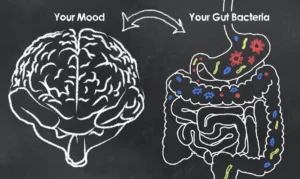
In recent years, experts have discovered an intriguing connection between gut health and mental health, known as the gut-brain axis. The gut and brain are in constant communication, and the bacteria in your gut can influence your mood, behavior, and even your thinking and memory. This connection is bidirectional, so gut health influences mental health, and mental health, in turn, influences gut function.
Neurotransmitters such as serotonin, dopamine, and gamma-aminobutyric acid (GABA) are produced by gut bacteria. These chemicals are important for regulating mood and feelings. Furthermore, the gut produces approximately 90% of serotonin, often called the “feel-good” chemical.
An imbalance in the gut microbiome can disrupt the production and regulation of these hormones, leading to symptoms such as worry, sadness, and anxiety. Research suggests that a good diet, probiotics, and prebiotics can help balance the gut microbiome and improve mental health.
On the other hand, a healthy, balanced microbiome can help regulate fat digestion and manage your weight.
Insulin sensitivity and glucose metabolism are also linked to the microbiome. These are two important factors in conditions like diabetes and metabolic syndrome. When the gut microbiome is out of balance, insulin resistance can develop. This can lead to weight gain, obesity, and an increased risk of type 2 diabetes.
How Diet Influences Gut Health
One of the most important factors influencing your gut microbiome is diet. A diet rich in dietary fiber, prebiotics, and probiotics feeds the beneficial bacteria in your gut and contributes to maintaining a healthy microbiome. Foods like garlic, onions, leeks, and bananas contain prebiotics, indigestible proteins that feed the beneficial bacteria in your gut. Fermented foods like yogurt, kimchi, and kefir contain probiotics, living bacteria that are beneficial to the body.
On the other hand, consuming large amounts of processed foods, sugary foods, and harmful fats can disrupt the balance of your gut microbiome. These foods promote the growth of yeast and bacteria that are harmful to the body, leading to an imbalance known as dysbiosis. To maintain healthy gut flora, you should eat a balanced diet with foods that are good for your gut and avoid foods that promote the growth of harmful bacteria.
How to Improve Your Gut Health
Healthy gut flora requires a combination of dietary, social, and environmental factors to support and maintain it. Here are some practical tips:
Eat a Variety: Eat a variety of fiber-rich foods, such as nuts, fruits, vegetables, whole grains, and legumes. A varied diet contributes to maintaining a diverse gut flora.
Consume fermented foods like yogurt, kefir, kimchi, and pickles to get probiotics and prebiotics. To nourish beneficial bacteria, eat foods rich in prebiotics, such as garlic, onions, leeks, and bananas.
Limit sugar and processed foods: Limit sugary snacks and processed foods. These foods can promote harmful bacteria and disrupt gut balance.
Exercise regularly: Active movement helps maintain healthy gut flora by introducing new microorganisms that promote digestion.
Relieve stress: Chronic anxiety can damage your gut flora. Relaxation exercises like yoga, meditation, and deep breathing can benefit your gut health.
Frequently Asked Questions
1. What does the term “microbiome” mean?
The human microbiome consists of all the bacteria, viruses, fungi, and other microorganisms that live in and on the body. The bacteria that live in the gastrointestinal tract are called the gut microbiome.
2. How does the gut microbiome affect digestion?
Gut bacteria help break down complex carbohydrates, fiber, and proteins that the human digestive system cannot break down on its own. They also help the body synthesize vitamins and absorb important nutrients.
3. Does gut health affect mental health?
The gut-brain connection connects the gut to the brain. An imbalance in the gut microbiome can disrupt neurotransmitter production, leading to mood disorders such as anxiety and low mood.
4. How can I improve my gut health?
Eat a high-fiber diet, add probiotics and prebiotics to your daily routine, reduce your intake of processed foods and sugar, manage stress, and exercise daily to improve your gut health.
5. How does gut health affect weight?
Gut bacteria influence metabolism and fat storage. An imbalanced microbiome can lead to weight gain and obesity. On the other hand, a balanced microbiome can help regulate fat metabolism and support good weight management.
Summary
In short, gut health and the bacteria within it have shown us how crucial this complex system is to our overall well-being. The microbiome is a crucial part of maintaining balance in the body. It contributes to nutrition, the immune system, and mental health. Understanding the importance of gut health and taking steps to maintain a healthy microbiome can improve metabolism, digestion, and even the immune system. Prioritizing healthy gut flora is the key to a better and more vital life.