
Gut health has received a lot of attention in recent years, and rightly so. Research shows that our gut microbiome, made up of trillions of bacteria and other germs that live in our digestive system, is crucial to our overall health. It influences many aspects of our lives, including digestion, immunity, mental health, and general well-being. But why is a healthy gut so important? Discover the secrets of the microbiome and learn why gut health is so crucial. Taking good care of your gut can unlock a whole new world of health.
What is the Gut Microbiome?
Trillions of bacteria, viruses, fungi, and other germs live in your gastrointestinal tract. This community of microbes is called the gut flora. Although small, these bacteria significantly influence many bodily functions. Each person’s microbiome is unique due to factors such as genetics, diet, environment, and lifestyle. In addition to nutrient absorption and weight regulation, the gut microbiome also influences the immune system, mental health, and the body’s ability to break down food.
A balanced gut microbiome helps the body digest food properly, strengthens the immune system, and contributes to overall better health. But when the balance is disrupted, harmful bacteria can flourish, leading to stomach problems, inflammation, and even chronic conditions like autoimmune diseases, obesity, and mental health disorders.
How Gut Health Affects Digestion
Gut bacteria are a crucial part of nutrition. Beneficial bacteria in the gut help break down food, especially grains and complex starches that the body can’t digest on its own. These bacteria break down fiber and produce short-chain fatty acids (SCFAs), which are essential for gut health and provide energy to stomach cells.
SCFAs also help maintain the integrity of the intestinal lining, reducing the risk of leaky gut (also known as “leaky gut”). This barrier is crucial because it keeps dangerous chemicals out of the bloodstream, prevents them from causing inflammation, and promotes a well-functioning immune system.
A healthy microbiome also helps the body synthesize important vitamins, such as vitamin K and some B vitamins, and absorb minerals like calcium, magnesium, and iron. An unhealthy microbiome can lead to digestive problems such as bloating, gas, heartburn, constipation, and diarrhea.
Good Gut Health and a Strong Immune System
A healthy gut is crucial for a healthy immune system. The gut houses approximately 70% of the body’s immune cells. Gut bacteria work together with immune cells in the gut-associated lymphoid tissue (GALT) to regulate immune responses. This interaction suppresses these bacteria, preventing disease.
A healthy microbiome strengthens the gut barrier. This reduces inflammation and prevents dangerous pathogens from entering the bloodstream. Beneficial bacteria also help synthesize antibiotic peptides and proteins, which fight harmful bacteria. On the other hand, an imbalanced microbiome can lead to long-term inflammation, which is linked to autoimmune diseases, allergies, and chronic conditions like arthritis and asthma.
Brain Health and Gut Health: The Gut-Brain Axis
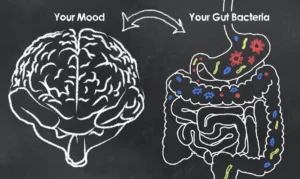
The gut-brain axis is a complex communication system between the gut and the brain. The state of your gut microbiome can have a significant impact on your mental and emotional well-being, to say the least. Neurotransmitters like serotonin, dopamine, and gamma-aminobutyric acid (GABA) are produced by gut bacteria. These chemicals are important for regulating mood, feelings, and brain function.
Some people call serotonin the “feel-good” chemical. In fact, approximately 90% of serotonin is produced in the gut. When your microbiome is out of balance, it disrupts the production and regulation of these chemicals, leading to mood disorders like stress, sadness, and anxiety. An unhealthy gut flora also increases your risk of neurodegenerative diseases like Alzheimer’s and Parkinson’s.
Taking care of your gut by consuming enough dietary fiber, prebiotics, and probiotics can help restore a balanced microbiome and improve your mental and emotional well-being. Probiotics, in particular, can help maintain healthy gut flora and alleviate symptoms of anxiety and low mood.
Gut Health and Weight Management
New research suggests that the microbiome plays a role in regulating metabolism and weight. Some bacteria in the gut help break down food and generate energy. Some bacteria make it easier for the body to function.
Eat a varied diet. Improving gut health can aid weight loss because the bacteria in your gut influence hunger and fat storage.
How to Improve Your Gut Health
To maintain healthy gut flora, you need to pay attention to your diet and lifestyle. To nourish your gut and improve your overall health, you can do the following:
1. Eat a Variety
To maintain healthy gut flora, eat a variety of foods, such as fruits, vegetables, whole grains, legumes, and nuts. Eating a variety of plant foods provides different types of fiber and nutrients, which in turn provides your gut with a wider range of beneficial bacteria. A diverse bacterial population is linked to better immunity and gut health.
2. Add Probiotics and Prebiotics
Fermented foods like yogurt, kefir, kimchi, kale, and kombucha contain probiotics, living bacteria that are beneficial to the body. These foods help maintain healthy gut flora and promote its growth. Prebiotics, found in foods like asparagus, bananas, garlic, and onions, feed good bacteria and help them grow.
By consuming both probiotics and prebiotics, you ensure your gut gets all the nutrients it needs to thrive.
3. Reduce Processed Foods and Sugar
A diet high in processed foods and refined sugars can harm your gut microbiome by promoting the growth of harmful yeast and bacteria. These foods are often low in fiber and contain harmful ingredients that are detrimental to gut health. Instead, focus on eating nutrient-rich, whole foods to promote digestion and nourish your bacteria.
4. Exercise Regularly
Research shows that regular exercise can increase the diversity of microorganisms, which contributes to maintaining a healthy gut microbiome. Exercise helps reduce gut inflammation, improve digestion, and regulate metabolism. To maintain a healthy gut, try to get at least 30 minutes of light exercise most days of the week.
5. Manage Stress
Chronic stress can damage the gut-brain connection and disrupt your gut microbiome. Stress can make your gut more permeable, allowing harmful substances to enter your bloodstream and cause inflammation. Mindfulness, yoga, and deep breathing exercises are all good ways to manage stress and protect your gut, which can also improve your overall health.
6. Get Enough Rest
Adequate sleep is crucial for gut health and overall well-being. Inadequate sleep can damage your gut microbiome and increase inflammation. Aim for 7 to 9 hours of good sleep every night so your body and gut microbiome can recover and thrive.
Frequently Asked Questions
1. What is the gut microbiome?
Trillions of microorganisms live in the gastrointestinal tract. These microorganisms include bacteria, viruses, fungi, and other types of microorganisms. These tiny organisms are crucial for nutrition, the immune system, and mental health.
2. What role does gut health play in mental health?
The gut and the brain are connected via the gut-brain pathway. An imbalanced microbiome can disrupt neurotransmitter production, leading to mood disorders such as anxiety, low mood, and nervousness.
3. Can better gut health help with weight loss?
Yes, gut bacteria significantly influence metabolism and weight. Healthy bacteria help the body burn fat, improve insulin function, and regulate hunger signals, all of which contribute to maintaining a healthy weight.
4. How can I improve my gut health?
To improve your gut health, eat a varied diet rich in fiber, probiotics, and prebiotics, exercise daily, and ensure you drink enough fluids and get enough sleep. Avoid artificial foods and sugar to maintain a healthy gut.
5. Explain the concepts of probiotics and prebiotics.
Probiotics are live, active bacteria found in fermented foods. Prebiotics are proteins that the body can’t digest, but they nourish and support the beneficial bacteria in your gut. To maintain a healthy gut, you need both.
Summary
In short, a healthy gut is crucial for overall health, as it influences nutrition, immunity, mental health, and even weight gain and loss. Understanding the role of your microbiome and nurturing it through a healthy diet, regular exercise, stress management, and adequate sleep will reap numerous health benefits.