Healthcare has always been at the forefront of innovative ideas, and 2025 will be a pivotal year for change. Technologies like smart health trackers and AI-driven tests will not only help doctors but also transform the way people receive care. Patients today demand faster, higher-quality, and more personalized healthcare solutions. Medical technology is evolving to meet these demands. We explore how groundbreaking innovations will transform patient care in 2025, the trends driving these changes, and where they lie in the future.
The Rise of Artificial Intelligence in Healthcare
Artificial intelligence (AI) has become one of the most important forces transforming healthcare. By 2025, AI will be used not only in research but also in daily patient care. Doctors can now use machine learning to review medical images like MRIs and X-rays with near-human accuracy. This helps them identify problems earlier than with previous methods.
AI-powered chatbots and virtual assistants also help people answer medical questions, schedule appointments, and remind them to take their medications on time. This not only reduces the workload of healthcare professionals but also ensures that patients receive accurate and timely information. Predictive AI models can inform doctors in advance about the condition of patients in intensive care, enabling them to make more informed decisions and reducing the risk of problems.
Telemedicine: Overcoming the Challenge of Distance
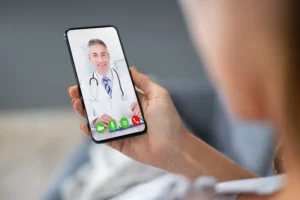
By 2025, telemedicine will be the norm in healthcare. Since the outbreak of the COVID-19 pandemic, telemedicine has grown rapidly. High-quality video chat and secure communication tools allow patients to communicate with doctors anywhere in the world.
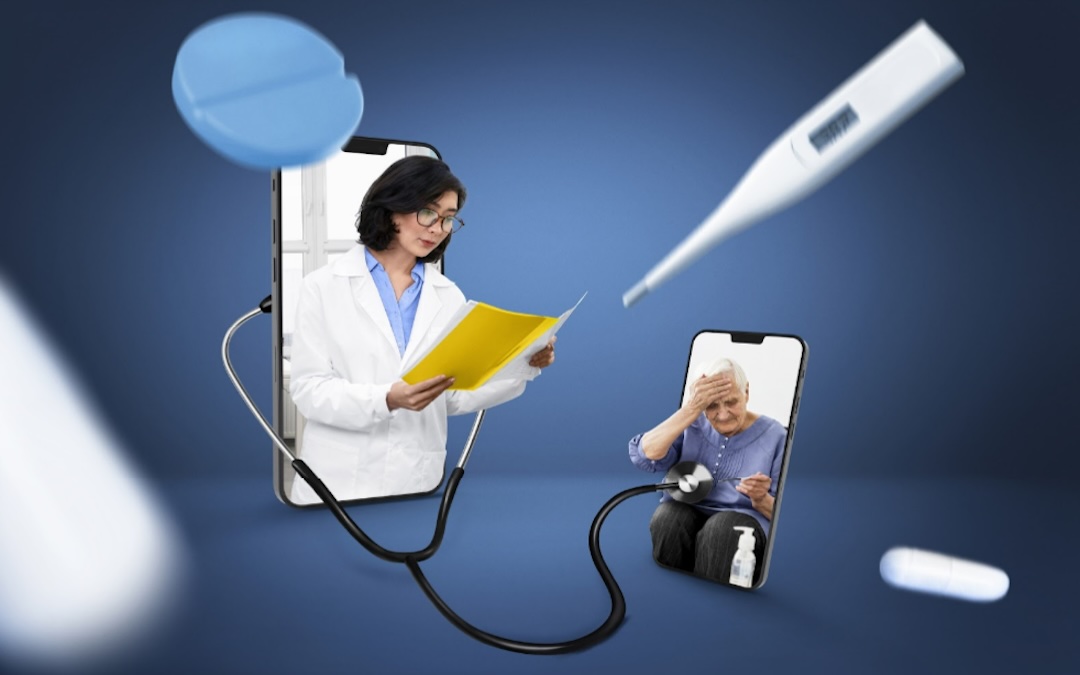
By 2025, the addition of online diagnostic tools to telemedicine will be a real game-changer. For example, patients can now use digital stethoscopes, blood pressure monitors, and blood glucose meters to share real-time data with their doctors during remote consultations. This means telemedicine can be just as effective as in-person care, especially for treating long-term conditions.
Telemedicine removes distance barriers in rural or impoverished areas, giving more people access to specialists they might not otherwise have. This makes healthcare more accessible and helps balance access for patients in different regions.
Wearable Technology and Remote Monitoring
Wearable health devices are no longer just for fitness enthusiasts who want to track their steps. By 2025, smartwatches, patches, and biosensors will continuously measure your heart rate, blood oxygen level, and even your anxiety level. These devices will send this information to digital health platforms, allowing doctors to detect early signs of disease before it worsens.
For example, people with heart conditions could wear devices that support electrocardiograms (ECGs), quickly alerting their doctor to any unusual activity. People with diabetes could use continuous glucose monitors (CGMs) that automatically switch insulin pumps. This makes disease management safer and easier.
This constant stream of patient data provides physicians with the tools they need to provide preventative care instead of reactive treatments, improving patient outcomes and reducing healthcare costs.
Gene Editing Enables Personalized Medicine
The development of personalized medicine is one of the most exciting new technologies of 2025. Thanks to advances in genetics and science, physicians can now tailor treatments to each patient’s genes.
For example, cancer treatment has already dramatically improved. Doctors no longer need to use treatments that work for everyone. Instead, they can now tailor medications specifically to the genetic changes that contribute to a patient’s growth. This precision medicine not only improves survival rates but also reduces side effects.
Genomics is transforming healthcare, not just cancer treatment. Patients can use genetic testing to understand their susceptibility to certain diseases and then take steps to manage their health. This protective approach is one of the most important changes in patient care.
How Virtual Reality (VR) and Augmented Reality (AR) Can Improve Patient Care
Virtual reality and augmented reality are no longer just for entertainment; they also hold promise for medicine. By 2025, VR will be widely used in healthcare.
Ensuring data security is crucial today. By 2025, many will use blockchain technology to protect patient data. Blockchain stores medical records openly and immutably, giving people greater control over their personal information.
This technology also makes it easier for healthcare professionals to collaborate. When patients switch doctors, they no longer need to carry paper documents or repeat tests because their secure digital health data is accessible online. When information is more open and secure, trust between patients and healthcare providers increases.
How Robotics Can Improve Patient Care
Robotics has made significant advances in healthcare. By 2025, robotic surgical assistants will help doctors perform minimally invasive surgeries more accurately. These robots can shorten recovery times and minimize complications.
Besides surgeries, robotic exoskeletons are also being used to help patients recover from spinal cord injuries and strokes and regain their mobility. Nursing robots can also assist healthcare professionals with mundane tasks, such as administering medications and monitoring patients, freeing them to focus on more important tasks.
Issues and Ethical Considerations
Even with these improvements, implementing technology in healthcare is challenging. Concerns remain regarding data protection, cyber risks, and the high cost of high-tech equipment. Furthermore, there is ongoing debate about the ethics of using AI for medical decision-making.
Another challenge is ensuring equal access to medical technology for everyone, as some people cannot afford the latest medications or devices. Policymakers, healthcare professionals, and technology companies must work together to find solutions that work for everyone.
What You Need to Know About Healthcare Technology in 2025
1. How Will AI Improve Patient Care in 2025?
AI will help doctors diagnose illnesses faster and more accurately, improve efficiency through the use of apps and other automated systems, and provide doctors with more information about a patient’s future condition.
2. Can Technology Completely Replace In-Person Doctor Visits?
Telemedicine is ideal for regular check-ups and treating long-term conditions, but some conditions still require tests and treatments that can only be performed in person.
3. Can You Trust Personal Health Devices for Medical Purposes?
Yes, by 2025, most smart technologies will be medically certified and provide accurate, real-time health data, making them essential for preventive and ongoing care.
4. How Does Blockchain Ensure the Security of Patient Data?
Blockchain builds a secure, decentralized system that protects medical records and ensures that only authorized individuals have access.
5. How Does Personalized Medicine Fit into Today’s Healthcare Landscape?
Personalized medicine makes it possible to tailor treatments to each individual’s unique genetic makeup. This means more effective and targeted treatments with fewer side effects.
Summary
By 2025, medical technology will significantly change the way people receive care. Innovations such as telemedicine, smart technology, and robotic assistance, as well as AI-driven diagnostics and personalized medicine, are making healthcare more efficient, convenient, and patient-focused. While cost, accessibility, and ethical considerations remain, these tools clearly offer significant benefits. In the future, medical technology will undoubtedly continue to transform medicine, providing patients and physicians with new tools to better serve them.