Healthcare is undergoing a revolution, fueled by rapid technological advancements. From artificial intelligence to wearable devices, medical technology is transforming the way we prevent, diagnose, and treat diseases. These innovations not only improve healthcare provider efficiency but also save lives, reduce costs, and enhance the patient experience. To stay ahead of the curve in the future of medicine, here are the top 10 healthcare technology innovations you need to know about in 2025.
1. Artificial Intelligence in Diagnosis
Artificial intelligence (AI) is at the forefront of innovation in healthcare. AI systems can analyze medical images, laboratory results, and patient records with astonishing accuracy, often identifying diseases earlier than traditional methods. For example, AI algorithms are being used to detect cancer, heart disease, and neurological disorders with accuracy comparable to that of human experts. By accelerating diagnoses and reducing errors, AI is transforming the patient experience.
2. Telehealth and Virtual Care
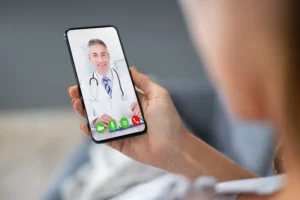
Telehealth has evolved from a pandemic necessity to a permanent fixture in healthcare. Patients now have access to high-quality care from the comfort of their own home, regardless of their location. By 2025, telehealth platforms will integrate advanced tools such as remote diagnostic kits and real-time monitoring devices, making virtual care as effective as in-person visits. This innovation is particularly important for people living in rural or underserved areas.
3. Wearable Health Devices
Wearable technology has evolved from fitness tracking to medical monitoring. Smartwatches, patches, and biosensors now record vital signs such as heart rate, blood oxygen levels, blood pressure, and even sleep quality. These devices continuously transmit data to healthcare providers, enabling early intervention before the condition worsens. For example, a wearable electrocardiogram (ECG) monitor can immediately alert doctors to an irregular heart rhythm, potentially preventing life-threatening situations.
4. Genomics-Based Personalized Medicine
Personalized medicine, or precision medicine, is one of the most transformative innovations in healthcare. By analyzing a patient’s genetic profile, doctors can tailor treatment plans to their unique biological characteristics. This approach is particularly effective in cancer treatment, where targeted therapies can improve effectiveness while minimizing side effects. Genomics can also enable preventive care by identifying genetic risks for diseases, allowing patients to take proactive steps toward a healthier lifestyle.
5. Robotics in Surgery and Rehabilitation
Robotics plays a crucial role in modern medicine. Robotic surgical systems enable doctors to perform complex surgeries with greater precision, shortening recovery times and reducing complications. In rehabilitation, robotic exoskeletons help patients with spinal cord injuries or mobility limitations regain their independence. These innovations not only improve patient outcomes but also expand the capabilities of healthcare providers.
6. Virtual Reality (VR) and Augmented Reality (AR)
VR and AR are no longer just entertainment technologies; they are powerful tools in healthcare. Surgeons use AR headsets to overlay 3D anatomical models during surgeries, improving accuracy. VR therapy is also used to treat anxiety, post-traumatic stress disorder (PTSD), and chronic pain by immersing patients in a calming or therapeutic environment. In rehabilitation, VR gamifies exercises, making treatment more engaging and effective.
7. Blockchain Technology Enables Secure Medical Records
Data security is a growing concern in digital healthcare. Blockchain technology offers a secure, tamper-proof way to store and share medical records. Patients can control who has access to their medical data, ensuring privacy and allowing healthcare providers to share it seamlessly. Blockchain technology improves efficiency and trust in healthcare by reducing duplicate testing and increasing transparency.
8. 3D Printing in Medicine
3D printing is revolutionizing the production of medical devices and prosthetics. Custom implants, dental instruments, and even artificial organs are now manufactured with astonishing precision.
9. Nanotechnology
Nanoparticles are designed to deliver drugs directly to affected cells, increasing treatment effectiveness and reducing side effects. In cancer treatment, nanotechnology ensures that chemotherapy targets only cancer cells and spares healthy tissue. Researchers are also investigating nanorobots in the hope of one day performing microscopic repairs inside the body, opening up new possibilities for medicine.
Challenges and Reflections
While these innovations are groundbreaking, they also face challenges. High costs, unequal access, data privacy concerns, and ethical questions surrounding AI decision-making are all persistent issues. Policymakers, healthcare providers, and technology companies must work together to address these challenges and ensure that everyone benefits from these technologies.
Health Technology FAQs
1. Which health technology innovations will be most widely adopted by 2025?
Telemedicine and wearable devices are among the most widely adopted innovations because they are accessible, affordable, and effective in managing daily healthcare needs.
2. Are AI-based diagnostic tools reliable?
Yes. Many AI tools have undergone rigorous clinical testing and now match or exceed the accuracy of human experts. However, they are generally used to support medical professionals, not replace them.
3. How secure is blockchain for medical records?
Blockchain is highly secure because it uses a decentralized, tamper-resistant ledger. Patients retain control over their data, reducing the risk of unauthorized access.
4. Do VR and AR actually improve patient outcomes?
Yes. Studies have shown that VR and AR, by providing immersive treatment experiences, can help reduce surgical errors, increase rehabilitation participation, and alleviate mental health challenges.
5. Is personalized medicine affordable for everyone?
While costs are decreasing, personalized medicine remains more expensive than traditional care. However, as technology advances, accessibility is expected to increase over time.
Conclusion
Innovations in medical technology are redefining the future of medicine. From AI-driven diagnostics and telemedicine to nanotechnology and blockchain, these breakthroughs are making healthcare more accurate, convenient, and patient-focused. While challenges like cost and privacy remain, the benefits are undeniable. By staying informed about these innovations, patients, healthcare providers, and policymakers can be better prepared for the future of healthcare.
In short, the ten most important medical technology innovations described here are more than just trends; they form the building blocks for a healthier, smarter future.