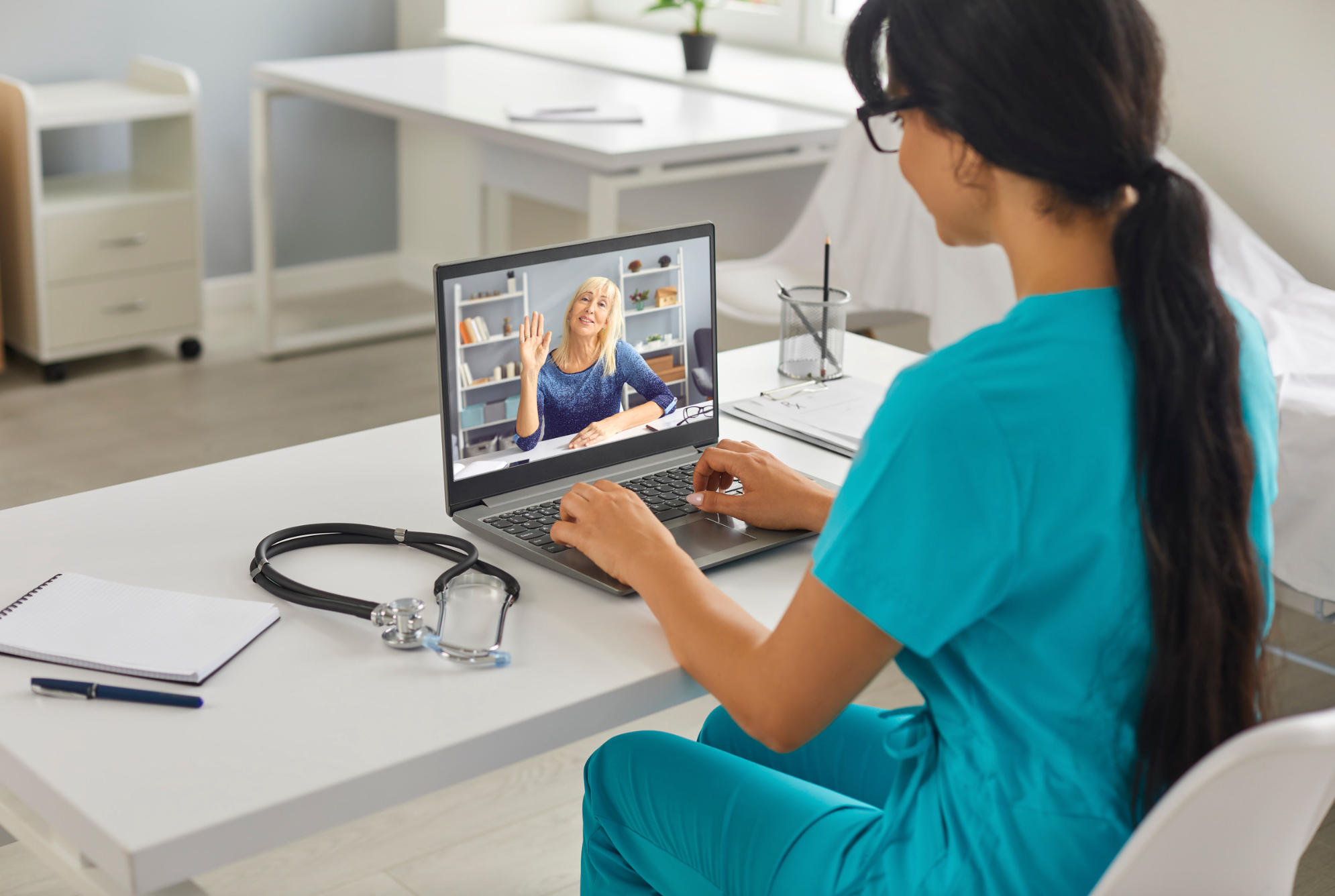
Today, healthcare is no longer limited to hospitals and clinics. Telemedicine has made significant advances, allowing patients to communicate with doctors, pick up medications, and even undergo medical tests from the safety of their own homes. Telemedicine, originally implemented in response to the COVID-19 pandemic, has become an essential part of modern healthcare. As technology continues to evolve, telemedicine is becoming increasingly intelligent, reliable, and user-friendly. This is changing the way we view healthcare. This article explores the future of telemedicine and how it will change the way care is delivered in 2025 and beyond.
The Rise of Telemedicine
Telemedicine has experienced rapid growth over the past decade. Originally used to ensure patient access to care during global health crises, it has now become an essential part of daily healthcare. Virtual appointments are becoming increasingly popular with patients due to their convenience, and healthcare professionals are realizing how they can save time and money.
Telemedicine is more than just video calls. It can help in many areas, from treating long-term illnesses to providing mental health care. Thanks to new tools, secure communication platforms, and integrated health recording systems, doctors can now provide high-quality care remotely.
What Role Does Technology Play?
New technologies are driving the rapid growth of telemedicine. Artificial intelligence, cloud-based systems, and high-speed internet are all crucial components for improving the quality of virtual care. AI systems can help doctors assess patient data, identify potential risks, and recommend various treatments.
Furthermore, connected health trackers and smart technology can provide real-time information about your heart rate, blood pressure, and blood sugar levels. These devices send this information directly to the doctor, making video calls more accurate and useful. Integrations like these make telehealth a more comprehensive approach to healthcare.
Telehealth and Access
One of the greatest benefits of telehealth is its ability to increase access to care. Patients in rural or impoverished areas, who previously struggled to reach specialists, can now use secure internet tools to meet the best doctors.
This increased mobility is particularly beneficial for older patients, people with disabilities, and those with limited mobility. Telehealth eliminates the need for long-distance travel, making healthcare more convenient, affordable, and patient-focused.
Specialized Care
Telehealth will no longer be limited to routine checkups. Starting in 2025, specialized telehealth services will appear in many medical fields. Dermatologists, psychologists, cardiologists, and even physical therapists can now schedule virtual appointments. Patients can send and receive high-resolution images and medical information, and even use testing tools that deliver results in real time.
This advancement is particularly important in mental healthcare, where telepsychiatry helps reduce stigma and increase access to treatment and support. Similarly, telecardiology allows heart patients to receive expert care without frequent hospital visits, reducing risks and costs.
Remote Patient Monitoring
One of the most exciting aspects of telehealth is remote patient monitoring (RPM). Patients with chronic conditions like diabetes, hypertension, and heart disease can be continuously monitored using connected devices. This information is securely sent to healthcare professionals, allowing them to take swift action if problems are detected.
In the future, when artificial intelligence (AI) is integrated into RPM, it will be even more useful, as it can predict health problems before they arise. This cautious approach can significantly shorten hospital stays and improve overall patient outcomes.
Telehealth and AI
Telehealth is undergoing a dramatic transformation as AI makes healthcare better and more efficient. AI-powered chatbots assist patients with initial screening, answering simple health questions, and scheduling appointments. Machine learning systems help doctors assess vast amounts of patient data, identify trends, and develop personalized treatment strategies.
Technology.
Trust is a key reason why people use telemedicine, and ensuring the security of patient data is a crucial step in building trust in virtual care systems.
Challenges of Telemedicine
Telemedicine has advantages, but it also faces challenges. Factors such as a lack of internet access in some areas, the high cost of new equipment, and resistance from traditional healthcare systems can slow its adoption. Furthermore, not all medical services can be provided online, and some people may still prefer an in-person consultation.
Equitable access to telemedicine is another issue requiring attention. Healthcare organizations and policymakers must work together to make digital care services affordable and accessible.
Future of Telemedicine
Telemedicine appears to have a bright future. As technology continues to develop, virtual care should become more personalized, predictive, and preventative. Combined with artificial intelligence, smart technologies, and digital care tools, care will become more proactive rather than reactive.
Experts predict that telemedicine will be an essential part of healthcare by 2030. This will reduce costs, increase patient satisfaction, and improve global health outcomes.
FAQs about Telemedicine
1. Can telemedicine replace doctor visits?
No, not really. Telemedicine is suitable for consultations, chronic disease management, and mental health care, but some treatments and conditions still require an in-person visit.
2. Is telemedicine safe for sharing health data?
Yes. Most telemedicine systems use encryption and other advanced security measures to protect patient data. However, choosing a reputable company is crucial.
3. What conditions can be treated?
Telemedicine is effective for treating common illnesses, managing long-term conditions, skin care, mental health care, follow-up visits, and regular checkups. However, in critical situations and after surgery, people still require physical care.
4. How can smart tech improve telemedicine?
Wearable technology can monitor vital signs and send this information to doctors, allowing them to track their condition in real time and help patients make informed decisions during online consultations.
5. Is telemedicine covered by insurance?
Yes, in many places. Telemedicine reduces overall healthcare costs and improves patient outcomes, which is why a growing number of health insurers are covering these services.
Summary
Telemedicine has a bright future thanks to new technologies that make care more accessible, faster, and more patient-focused. With advances in artificial intelligence, smart technology, and online tracking, virtual care is becoming as practical as in-person consultations. While cost and accessibility remain challenges, telemedicine offers significant benefits.
Telemedicine is more than just a trend; in a world where ease of use, speed, and quality of care are paramount, it represents the future of healthcare.