
Thanks to the rapid development of digital technology, the healthcare landscape is changing dramatically. Digital healthcare is revolutionizing the delivery, tracking, and monitoring of care through the use of virtual reality, smart technologies, and data analytics. These changes not only improve patient outcomes but also increase the efficiency of healthcare systems, making care more personalized, convenient, and proactive.
As 2025 approaches, several groundbreaking trends in digital healthcare are emerging that will change the future of healthcare. We examine the most important trends, their effects on healthcare, and what patients and doctors can expect in the future.
Telemedicine and Remote Patient Care
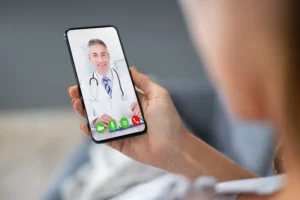
Telemedicine has become an essential part of modern healthcare, especially since the global pandemic. People can receive medical advice, diagnoses, and follow-up care through virtual appointments without leaving their homes. This trend reduces hospital congestion and makes healthcare more accessible to people in rural or low-income areas.
Another important component of telemedicine is remote patient monitoring. Vital signs such as heart rate, blood pressure, and blood sugar levels can be monitored in real time via wearable devices and home monitors. If doctors detect abnormal values, they can take quick action to prevent problems and avoid a return to the hospital.
Using AI to Support Diagnosis and Treatment
Artificial intelligence is changing the way diagnosis and treatment are determined. AI programs can analyze vast amounts of medical data, such as x-rays, laboratory results, and electronic health records, to discover trends that people might otherwise miss.
In imaging, AI systems are highly adept at detecting early signs of cancer, cardiovascular disease, and brain disorders. AI is also used to develop specific treatment plans, predict patient responses to medications, and improve the way professionals perform their work. AI helps doctors reduce errors, streamline their work, and make more informed decisions.
Wearable Health Technology
Wearable technology is increasingly becoming a way to take control of your health. Smartwatches, activity trackers, and biosensors can monitor your heart rate, blood oxygen levels, physical activity, and more.
By 2025, electronic devices will no longer be just fitness trackers; they will be medical devices that can detect chronic diseases early and monitor them continuously. Patients with diabetes, cardiovascular disease, or respiratory problems can benefit from real-time information, allowing them to better manage their health.
Big Data and Predictive Analytics
The application of big data in healthcare is revolutionizing the delivery of care. Predictive analytics can predict the spread of diseases, identify high-risk patients, and develop more effective treatment plans by analyzing massive data sets from multiple sources.
For example, hospitals can use predictive models to determine which patients are most likely to develop problems after treatment. This helps them provide these patients with the care they need. Health authorities can also use data to track infection trends and improve vaccination programs. Thanks to big data analytics, healthcare is becoming more proactive, not reactive.
Personalized Medicine
Digital health tools make healthcare more accurate and personalized. Doctors can analyze a patient’s genetic information, lifestyle, and external factors to ensure each patient receives the best possible care.
Pharmacogenetics, for example, can help doctors understand how different populations respond to different medications, allowing them to better manage side effects and improve efficacy. Personalized medicine can improve patient outcomes, reduce treatment errors, and ensure better disease management.
Mixed Reality (AR) and Virtual Reality (VR)
Virtual reality and augmented reality are used to help doctors perform surgeries and promote patient recovery. VR models allow medical students and physicians to safely practice complex procedures. AR overlays can provide doctors with important information in real time during surgeries, improving accuracy and safety.
Building Smart Hospitals
Another key trend shaping the future healthcare landscape is the smart hospital. Artificial intelligence, the Internet of Things (IoT), and automated systems are helping these centers function more smoothly and provide better care to patients.
With intelligent appointment systems, robot-assisted treatments, and automated medication administration, smart hospitals can reduce errors, improve efficiency, and increase patient satisfaction. When technology is integrated into the hospital infrastructure, this is a major step toward the complete digitalization of healthcare.
Using Technology to Support Mental Health
Digital therapies and mental health apps are becoming increasingly important in modern medicine. Services such as cognitive behavioral therapy, stress management, and mood tracking are available on AI-powered websites. Teletherapy and mental health apps are making care accessible to people who would otherwise not have access to it.
These digital solutions, combined with traditional approaches, help healthcare providers treat both physical and mental health issues, promoting a more holistic approach to well-being.
Frequently Asked Questions
Question 1: Can I trust digital health apps to monitor my health?
There are many digital health apps available based on medical knowledge and scientific research. They are intended to complement professional care, but should not replace doctor appointments.
How can smart technology help people with chronic conditions?
Wearable technology can continuously monitor vital signs and alert patients and doctors if abnormalities occur. This continuous monitoring facilitates the diagnosis and treatment of health conditions such as diabetes, cardiovascular disease, and respiratory problems.
Question 3: Is Skype as effective as an in-person doctor visit?
Telemedicine is very effective in many situations, particularly for follow-up visits, the treatment of minor illnesses, and chronic conditions. However, in some cases, follow-up visits still require in-person visits.
Question 4: How can AI simplify accurate diagnosis?
Artificial intelligence programs analyze vast amounts of medical data to identify trends that people might otherwise miss. This enables faster, more accurate assessments and more personalized treatment recommendations.
Question 5: Is digital healthcare secure?
Yes, most platforms adhere to strict security regulations, such as data encryption and compliance with regulations like HIPAA. Blockchain technology also makes hospital data more secure.
In short
The digital healthcare trend is fundamentally transforming medicine, making it more efficient, accessible, and patient-focused. Telemedicine, artificial intelligence, wearable technology, predictive analytics, VR/AR, blockchain, and smart hospitals are working together to make the future of healthcare more preventative, accurate, and personalized.
As technology continues to develop, patients will benefit from more comfortable care, more accurate assessments, and more personalized treatments. These new concepts will help healthcare professionals work more efficiently, patients receive better care, and make more informed decisions.
The future of medicine is digital, and patients and physicians must keep pace with these changes if they want to thrive in a rapidly changing healthcare system.