
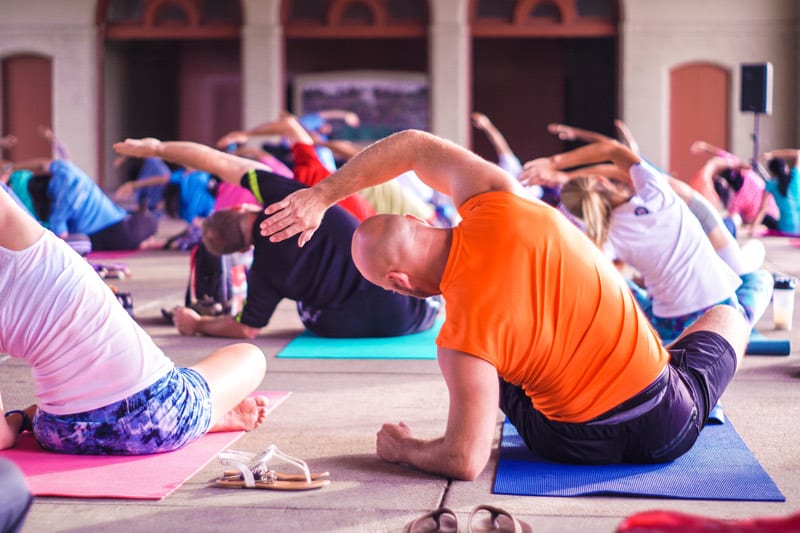
In today’s fast-paced world, maintaining both mental and physical wellbeing can be challenging. Stress, poor nutrition, lack of sleep, and sedentary lifestyles often take a toll on overall health. Holistic health offers a comprehensive approach by addressing the interconnectedness of the mind, body, and spirit. Unlike conventional medicine, which often focuses on treating symptoms, holistic health emphasizes preventive care, self-awareness, and lifestyle choices that promote long-term balance and wellness.
By integrating practices such as mindfulness, balanced nutrition, physical activity, and spiritual engagement, holistic health empowers individuals to achieve optimal mental and physical wellbeing. In this article, we will explore how holistic health can transform your life and offer practical strategies to enhance overall health.
Understanding Holistic Health
Holistic health is based on the principle that the mind, body, and spirit are interconnected. When one aspect of health is neglected, it can negatively impact the others. For example, chronic stress can lead to physical ailments, while poor physical health can contribute to mental fatigue and emotional imbalance.
A holistic approach encourages individuals to cultivate wellness across all areas of life, combining conventional medical care with complementary practices such as yoga, meditation, nutritional therapy, and energy healing. By treating the whole person rather than just symptoms, holistic health promotes sustainable and comprehensive wellbeing.
Enhancing Mental Wellbeing Through Holistic Practices
Mindfulness and Meditation
Mindfulness and meditation are central to improving mental health. These practices help reduce stress, anxiety, and negative thinking patterns while promoting emotional resilience. Daily meditation—even for 10-20 minutes—can improve focus, clarity, and overall mood.
Mindfulness also encourages living in the present moment, which reduces overthinking and promotes emotional stability. Over time, these practices can create a calmer, more balanced mental state, enabling better decision-making and healthier relationships.
Cognitive and Emotional Health
Journaling, gratitude exercises, and cognitive behavioral techniques are effective ways to nurture mental wellbeing. By reflecting on thoughts and emotions, individuals can process stress, overcome negative patterns, and cultivate positivity.
Engaging in hobbies, creative outlets, and social connections also supports mental health. Holistic practices emphasize the importance of emotional self-care, allowing individuals to release tension and maintain psychological balance.
Boosting Physical Wellbeing Through Holistic Health
Balanced Nutrition
Nutrition plays a critical role in physical wellbeing. A holistic approach emphasizes consuming whole, unprocessed foods that provide essential nutrients, including vitamins, minerals, and antioxidants. Fruits, vegetables, lean proteins, whole grains, and healthy fats contribute to energy, immune support, and overall health.
Mindful eating, which involves paying attention to hunger cues and savoring meals, enhances digestion and prevents overeating. Adequate hydration and limiting processed foods, sugars, and artificial additives also support physical health.
Regular Exercise
Physical activity is a cornerstone of holistic health. Exercise improves cardiovascular function, strengthens muscles and bones, and boosts mood through the release of endorphins. Holistic health encourages movement that is enjoyable and sustainable, such as yoga, walking, swimming, or strength training.
Incorporating daily activity, even in small increments, enhances energy levels, supports weight management, and contributes to a stronger immune system, creating a healthier body and mind.
Adequate Sleep
Sleep is essential for both mental and physical health. Quality sleep aids in cognitive function, tissue repair, hormone regulation, and emotional stability. Adults should aim for 7-9 hours of restorative sleep each night.
Holistic strategies for better sleep include establishing a regular sleep schedule, minimizing screen time before bed, creating a calming bedtime routine, and practicing relaxation techniques such as deep breathing or meditation.
Spiritual and Emotional Practices for Overall Balance
Cultivating Inner Peace
Spiritual wellness fosters a sense of purpose, connection, and inner peace. Practices such as meditation, prayer, mindfulness, or spending time in nature encourage reflection, gratitude, and emotional clarity. A nourished spirit helps reduce anxiety, stress, and negative thought patterns, contributing to both mental and physical health.
Emotional Expression and Connection
Holistic health emphasizes the importance of processing emotions through therapy, journaling, or creative expression. Building strong social connections and engaging in supportive communities strengthens emotional resilience, reduces loneliness, and enhances overall wellbeing.
By nurturing the emotional and spiritual aspects of health, individuals create a more balanced and integrated approach to mental and physical wellbeing.
Integrating Holistic Practices Into Daily Life
Holistic health is most effective when integrated consistently into daily routines. A practical daily plan may include:
Morning meditation or mindfulness practice to start the day with clarity.
Nutritious meals and proper hydration to fuel the body.
Physical activity such as yoga, walking, or strength training.
Journaling, gratitude exercises, or creative hobbies for emotional processing.
Engage in evening relaxation routines and ensure you get enough sleep to aid in recovery and rejuvenation.
Consistency and intention are key. Even small, deliberate changes can create a cumulative effect, significantly enhancing both mental and physical health over time.
Benefits of Holistic Health
Improved Mental Clarity: Reduces stress and anxiety while increasing focus and emotional resilience.
Enhanced Physical Health: Supports immune function, cardiovascular health, and overall energy levels.
Balanced Emotions: Encourages emotional processing, self-awareness, and stronger relationships.
Sustainable Wellness: Integrates preventive care and lifestyle practices for long-term health.
Greater Resilience: Equips individuals to handle life challenges more effectively, both mentally and physically.
FAQs
Q1. Can holistic health replace conventional medicine?
Holistic health complements conventional medicine. It focuses on prevention and overall wellbeing but does not replace necessary medical treatments.
Q2. How long does it take to notice benefits from holistic practices?
Some benefits, like improved mood and energy, may appear within weeks. Long-term improvements in physical and mental health develop over months of consistent practice.
Q3. What are simple ways to start practicing holistic health?
Start with small, manageable steps such as daily meditation, incorporating more whole foods into your diet, or taking a 20-minute walk each day. Gradually add additional practices.
Q4. Are holistic practices suitable for all ages?
Yes. Holistic health can be adapted to suit individual needs, health conditions, and lifestyles, making it suitable for people of all ages.
Q5. How does holistic health improve mental wellbeing?
By integrating mindfulness, stress management, emotional self-care, and spiritual practices, holistic health reduces anxiety, enhances focus, and promotes emotional stability.
Conclusion
Holistic health provides a comprehensive framework to improve both mental and physical wellbeing. By addressing the mind, body, and spirit, individuals can cultivate balance, resilience, and long-term health.
Incorporating practices such as meditation, balanced nutrition, regular exercise, quality sleep, and emotional and spiritual care ensures a well-rounded approach to wellness. Holistic health is not about perfection but about making intentional, sustainable choices that support overall wellbeing.
By embracing holistic health, you empower yourself to live a more balanced, healthy, and fulfilling life—where your mind, body, and spirit thrive together in harmony.