
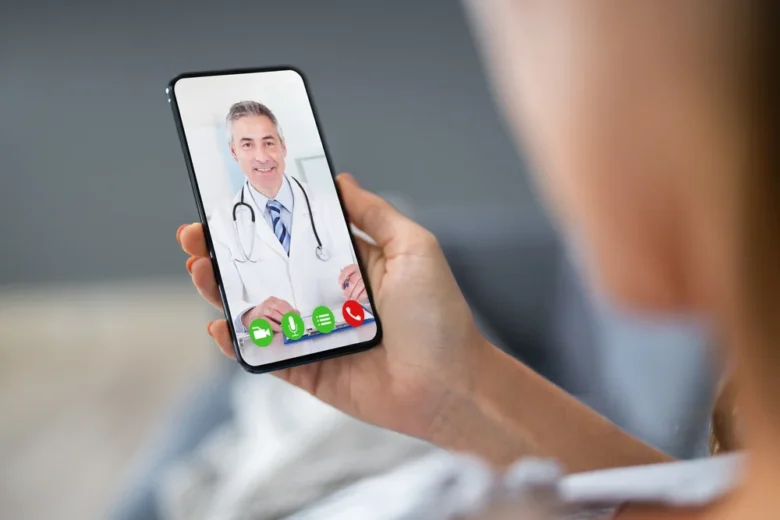
In today’s fast-paced digital world, health technology is transforming the way we approach our well-being. Gone are the days of waiting weeks for an appointment or relying solely on paper records. Health apps and virtual care platforms have emerged as essential tools that empower patients to take charge of their healthcare journey. As these innovations flourish, they enhance patient engagement like never before, creating a more connected and informed experience.
Imagine having your medical history at your fingertips or consulting with a doctor from the comfort of your home. The rise of health technology not only improves convenience but also fosters better communication between patients and providers. This blog will explore how various technologies are revolutionizing healthcare practices while paving the way for a healthier future for all.
Outline:
Health technology encompasses a wide range of tools and applications that enhance patient care. From health apps to telemedicine, these innovations are reshaping traditional healthcare models. With a focus on improving accessibility and efficiency, they offer new ways for patients to interact with their providers.
As we dive deeper into the evolution of healthcare technology, it’s important to recognize key milestones that have led us here. Each advancement builds on the last, creating a rich landscape filled with opportunities for enhanced patient engagement.
Understanding how these technologies function in practice is crucial. They not only improve communication but also empower patients to take an active role in managing their health.
1. Introduction
The digital age has transformed various sectors, and healthcare is no exception. Health technology plays a crucial role in shaping patient experiences and outcomes. With the rise of innovative apps and virtual care platforms, patients are more connected to their health than ever before.
These technological advancements empower individuals to take charge of their wellness through personalized tools and resources. From scheduling appointments to tracking vital signs, health technology simplifies access to essential services.
As we delve into the intersection of health tech and patient engagement, it becomes clear that these innovations are not just trends—they’re reshaping how we approach healthcare altogether.
2. Understanding Healthcare Technology
Healthcare technology encompasses tools and systems that improve patient care and streamline healthcare processes. It includes everything from electronic health records to telemedicine platforms. These innovations enable better communication between patients and providers.
Understanding this technology is crucial for both healthcare professionals and patients. It empowers users to make informed decisions about their health. As the industry continues to evolve, staying updated on new trends becomes essential.
Familiarizing oneself with these technologies enhances efficiency in treatment plans. Moreover, it fosters a more engaged approach to personal health management within diverse populations.
3. Evolution of Healthcare Technology
Healthcare technology has come a long way since its inception. Initially, it focused on basic record-keeping and manual processes. The introduction of electronic health records (EHRs) revolutionized how patient information is stored and accessed.
As mobile devices gained popularity, telemedicine emerged as a game-changer. Patients could now consult doctors remotely, making healthcare more accessible than ever before. This shift laid the groundwork for numerous health apps that empower users to manage their own wellness.
Today, artificial intelligence and machine learning are reshaping diagnostics and treatment plans. These advancements promise to enhance patient outcomes through personalized care and data-driven insights.
4. Examples of Technology in Healthcare Practice
Telemedicine platforms have transformed patient consultations. Patients can now connect with healthcare professionals from the comfort of their homes. This convenience has made accessing care simpler than ever.
Wearable health devices, like smartwatches, track vital signs in real-time. Users receive alerts about irregularities, promoting proactive health management. These tools empower individuals to take charge of their well-being.
Electronic Health Records (EHR) streamline data sharing among providers. They enhance collaboration and ensure that patients receive cohesive care across multiple specialists. This technology fosters a more efficient healthcare system for everyone involved.
5. Enhancing Patient Engagement Through Technology
Technology plays a crucial role in boosting patient engagement. Through health apps, patients can access their medical information anytime and anywhere. This level of transparency fosters trust between healthcare providers and patients.
Interactive tools like telemedicine platforms allow real-time communication with doctors, making consultations more convenient. Patients feel empowered when they can ask questions and receive guidance without the need for an office visit.
Additionally, gamification elements in health apps motivate users to adhere to treatment plans. By turning health management into an engaging experience, technology encourages proactive participation in one’s own wellness journey.
6. Healthcare Technology Careers
The rise of health technology has created diverse career opportunities for professionals. From software developers to data analysts, the demand for tech-savvy individuals in healthcare continues to grow. These careers often require a blend of medical knowledge and technical skills.
Healthcare IT specialists play a crucial role in implementing electronic health records and ensuring system security. They work closely with clinicians to optimize workflows and enhance patient care through technology.
Another exciting area is telehealth coordination, where professionals connect patients with virtual resources. This field fosters innovation while improving accessibility, ultimately leading to better patient outcomes.
7. Impact and Benefits of New Technologies
New technologies in health technology have transformed patient care dramatically. They simplify processes, making healthcare more efficient for both providers and patients. Automated systems reduce errors and streamline administrative tasks, allowing professionals to focus on what truly matters: patient well-being.
Telemedicine has emerged as a game-changer, offering remote consultations that save time and enhance accessibility. Patients can connect with specialists from their own homes, breaking down geographical barriers to quality care.
Furthermore, data analytics play a crucial role in personalizing treatment plans. By analyzing patient data trends, healthcare providers can tailor interventions that improve outcomes significantly while reducing costs.
8. Healthcare Technology Trends
Healthcare technology is rapidly evolving, with several trends shaping the industry. Telehealth continues to grow, providing patients with convenient access to care from their homes. This trend has been accelerated by recent global events and reflects changing consumer expectations.
Artificial intelligence is making waves in diagnostics and treatment planning. Machine learning algorithms help healthcare providers analyze vast amounts of data quickly, improving patient outcomes.
Wearable devices are another game changer. From fitness trackers to smartwatches, these gadgets monitor health metrics in real time, empowering individuals to take charge of their wellness journey efficiently.
9. Future of Technology in Healthcare
The future of technology in healthcare promises remarkable advancements. With the rise of artificial intelligence and machine learning, personalized medicine will become increasingly viable. Tailored treatments based on genetic profiles could revolutionize patient care.
Telemedicine is also set to grow significantly. Virtual consultations will be commonplace, breaking geographical barriers and improving access for patients everywhere. This shift will enhance convenience without compromising quality.
Wearable devices are another exciting frontiers. They continuously monitor health metrics, providing real-time data for both patients and doctors. This proactive approach empowers individuals to take charge of their health while enabling timely medical interventions when necessary.
10. Conclusion
The integration of health technology into patient care is transforming the healthcare landscape. As we embrace these advancements, patient engagement becomes more dynamic and personalized. Innovations such as telemedicine and health apps empower patients to take charge of their well-being.
As technology continues to evolve, it opens doors for new opportunities in healthcare careers and enhances the overall experience for both patients and providers. The future holds immense potential, making it an exciting time in the realm of health technology. Embracing this digital age can lead us toward a healthier tomorrow filled with possibilities for everyone involved in the journey of care.