
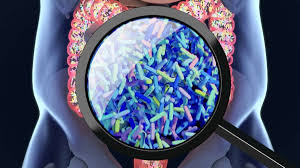
In the past few years, gut health has gotten a lot of attention, and for good reason. The thousands of bacteria that live in our gut system are crucial to our health as a whole. The gut microbiome is the name for this complex group of bacteria, viruses, fungi, and other creatures. It changes your mood, your skin health, your gut, and even how well your defense system works. We’ll talk about how important it is to keep your microbiome balanced and give you important information about gut health in this post.
What does “gut health” mean?
Gut health means that the GI system, which includes the stomach, small intestine, and colon, works at its best and that the balance of germs in the gut is maintained. Good bacteria outnumber bad bacteria in a healthy gut. These bacteria do important jobs like breaking down food, taking nutrients, and keeping dangerous germs out. If your gut isn’t balanced, it can cause stomach problems, inflammation, and other health problems.
Why the gut microbiome is important
People who live in the stomach tract have a lot of different kinds of microorganisms living in their gut microbiome. Scientists have found that the microbiome affects many processes of the body, not just stomach. The microbiome is important for health in many ways, including the following:
1. Digesting food and absorbing nutrients
The microbiome is very important for breaking down fibers, complicated carbs, and some proteins that our bodies can’t do on their own. These bacteria help break down these chemicals into short-chain fatty acids, which the body uses for energy. A good microbiome also makes it easier for the body to absorb vitamins, minerals, and other important nutrients from food.
2. Help for the immune system
The gut is home to about 70% of the body’s defense system. The microbiome works with immune cells to control immunity reactions. This helps the body fight off diseases and illnesses. A healthy microbiome can stop dangerous bacteria from growing too much and infecting you, while also encouraging the production of chemicals that protect you.
3. Mental health and setting your mood
The growing body of research that connects gut health to brain health is often called the “gut-brain axis.” Neurotransmitters, such as serotonin, are made by the gut bacteria and have a big effect on mood, feelings, and mental health. A microbiome that is out of balance may play a part in mental health problems like worry, sadness, and anxiety, according to research.
4. Inflammation and long-term illnesses
A microbiome that isn’t healthy is often linked to long-term inflammation, which can cause autoimmune diseases, heart diseases, and fat. Keeping a healthy mix of germs in the gut is important for keeping inflammation under control and supporting health in general.
How to Keep Your Gut Healthy
Keeping your bacteria in order is important for your health. These habits and changes to your way of life can help keep your gut healthy:
1. Eat a variety of foods
One of the best ways to take care of your gut bacteria is to eat a wide range of plant-based foods. A varied diet gives you a lot of different proteins, vitamins, and other nutrients that help good bugs grow. Eat lots of nuts, fruits, veggies, beans, and whole carbs.
2. Add both probiotics and prebiotics
Probiotics are live, good bacteria that you can get from fermented foods like kimchi, yogurt, kefir, and cabbage. These foods help the good bacteria in your gut grow and stay healthy. Prebiotics, on the other hand, are proteins that your body doesn’t process. You can find them in foods like bananas, garlic, and onions. Prebiotics give the good bacteria food, which helps them grow in your gut.
3. Eat less sugar and processed foods
Processed foods, sugary drinks, and fake sweeteners can hurt the gut microbiome by making yeast and bacteria that are bad for you grow. These foods can also throw off the balance of bacteria in your gut, which can cause stomach problems and inflammation. Cutting down on prepared foods can help your bacteria get back to a healthy balance.
4. Drink enough water
It’s important for stomach and gut health in general to drink enough water. Drinking water helps the digestive system work properly, helps the body absorb nutrients, and keeps the balance of bacteria in a healthy state.
5. Deal with stress
Changing the microbiome and making inflammation worse are two ways that long-term worry can hurt gut health. Yoga, meditation, and daily exercise are all good ways to lower stress and keep your gut healthy. For gut health, it’s also important to make rest and enough sleep a priority.
6. Skip antibiotics that aren’t needed
Antibiotics are needed to treat bacterial illnesses, but using them too much or in the wrong way can hurt the microbiome by killing both good and bad bacteria. If your doctor tells you to take antibiotics, do so. But don’t use them for virus diseases like the common cold.
Signs that your gut microbiome is out of balance
A microbiome that is out of balance or disturbed is called dysbiosis and can show up in a number of ways. These are some common signs that your gut health might not be right:
- Problems with the digestive system, such as bloating, diarrhea, constipation, or heartburn, are common indicators of dysbiosis.
- You may have allergies or intolerances to certain foods.
- Things wrong with your skin like acne, eczema, or rosacea.
- A weak immune system makes you more likely to get infections or illnesses.
- Mental health issues, such as anxiety or depression, can occur.
- Uncertainty can lead to weight gain or loss.
FAQS
How can I easily improve the health of my gut?
Eating a lot of fiber, fermented foods, and prebiotics is a natural way to improve gut health. Stay hydrated, deal with your stress, and don’t take too many medicines. You can also help restore balance in your microbiome by adding probiotics to your food.
2. What kinds of food are bad for your gut?
The gut bacteria can be harmed by processed foods, sugary snacks, fake sweeteners, and drinking too much booze. These foods promote the growth of harmful yeast and bacteria, which can upset your gut and lead to stomach problems.
3. Can the health of my gut affect my mental health?
There is a strong link between gut health and mental health. Neurotransmitters, such as serotonin, are made by the gut bacteria and control mood and feelings. Anxiety and sadness have been linked to microbiomes that are out of balance.
4. How do I know if something is wrong with my gut?
Digestive pain, bloating, changes in bowel movements, food allergies, and skin problems are all common signs of gut problems. If you usually experience any of these signs, you should talk to a doctor or nurse to get more information.
5. Can probiotics help with problems in the gut?
By adding more good bacteria to the microbiome, probiotics can help improve gut health. They are especially good for getting back to normal after taking medicines or having stomach problems. But it’s important to pick the right type of probiotics for your situation.
In conclusion
To keep your microbiome healthy, you need to know about gut health and how it affects your general health. You can support your digestive system, immune system, mental health, and more by eating a varied, nutrient-dense diet, dealing with stress, and staying away from drugs that are bad for you. Putting gut health first is an investment in your health and energy that will pay off in the long run and make you feel great every day. Remember that even small changes to your living can help your microbiome grow and stay healthy.