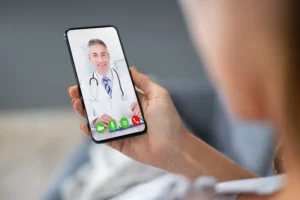

Health technology has evolved rapidly over the past decade. But by 2025, smart devices will no longer be just exercise toys; they will become essential healthcare tools. Wearable health technology gives people more control over their health than ever before. It can monitor heart health and detect early signs of disease. Doctors use the real-time health information these devices provide to provide better care. This article examines the pros and cons of smart health technology and presents some of the best health technologies on the market in 2025.
What is wearable health technology?
Electronic devices worn on the body that collect, transmit, and analyze health data are called wearable health technology. Examples include smartwatches, fitness trackers, biosensors, and even smart clothing. Wearable devices can continuously monitor a user’s health, rather than just occasional checkups. This provides a complete picture of how a user’s health changes over time. Today’s wearable technology combines advanced sensors, artificial intelligence, and connectivity to help patients and healthcare professionals make informed choices.
Pros and Cons of Wearable Health Technology
1. Continuous Health Monitoring
Real-time health data is one of the biggest advantages of these devices. Devices can track data such as heart rate, blood oxygen levels, and sleep habits 24/7. This allows people to detect problems early, often before they worsen and develop into dangerous medical conditions.
For example, people with heart conditions can use devices that perform electrocardiograms (ECGs) to monitor their heart rhythm, reducing the risk of a sudden event.
2. Preventive Care
Wearable technology is a crucial part of preventive care. These devices can help people improve their lives by identifying unusual trends, such as high blood pressure, low blood oxygen levels, or poor sleep quality. Wearable technology that can detect problems early can help people get immediate medical attention, resulting in significant cost savings on follow-up care.
3. Long-Term Care
Wearable technology can continuously monitor patients with diabetes, hypertension, or respiratory conditions and send this information directly to their doctor. This can lead to personalized care plans and reduce doctor visits. Continuous glucose monitors, which monitor blood sugar levels 24/7, are transforming diabetes management.
4. Enhanced Patient Engagement
Wearable technology provides people with the tools they need to take control of their health. Real-time insights into information such as step count, calorie consumption, sleep quality, or stress levels can help you better maintain healthy habits. When users are engaged, they are more likely to adhere to their health goals and care plans.
5. Enhanced Communication between Doctors and Patients
Wearable technology provides doctors with consistent and accurate health information. Doctors no longer need to rely on annual checkups to make decisions; they can review data daily, even hourly. This data-driven care initiative contributes to diagnosis, treatment, and patient confidence.
Best Health Tracker of 2025
1. Apple Watch Series X
With the Apple Watch Series X, Apple has established a leadership position in the wearable health tracker market. By 2025, the company will have more advanced capabilities for electrocardiograms (ECGs), continuous blood pressure monitoring, and blood sugar monitoring, all without surgical procedures. Its AI health assistant offers personalized recommendations, making it a valuable tool for exercise enthusiasts and people with chronic conditions.
2. Fitbit Sense 3
The Fitbit Sense 3 is popular because it offers advanced ways to manage stress and focus on heart health. It features sensors that measure skin temperature and track blood oxygen saturation (SpO2), and features AI-powered health guidance that adapts to the user’s activity. Fitbit’s connectivity with major healthcare institutions also makes patient data easily accessible to doctors.
3. Garmin Venu 3 Pro
The Garmin Venu 3 Pro is ideal for athletes and other busy people due to its high accuracy. It offers advanced training data, recovery tracking, and hydration monitoring. In 2025, Garmin also began producing medical tracking devices.
Users can rely on the medical-grade accuracy of Withings devices because they have FDA clearance.
6. BioSticker 2 by BioIntelliSense
The BioSticker 2 is a medical-grade wearable patch that continuously monitors vital signs such as heart rate, temperature, and respiration. Designed for professional use and the management of chronic diseases, it is trusted by hospitals and other healthcare professionals.
7. iPhone 7 Plus Samsung
The Samsung Galaxy Watch 7 features high-tech health sensors that measure blood sugar levels, analyze body shape, and provide AI-powered workouts without contact with the wearer. Its seamless compatibility with Samsung Health makes it one of the most useful devices of 2025.
The Future of Wearable Health Technology
More personalized healthcare and health predictions are the future of smart technology. AI systems can not only monitor people’s health but also detect signs of illness before they manifest. Wearable technology compatible with telemedicine will become a key component of telemedicine.
A growing number of smart garments and implantable devices will make health tracking more accurate and discreet. As technology advances, wearables will empower patients, facilitate communication between doctors and patients, and make healthcare more preventative and accessible.
1. Do personal health devices really work as promised?
By 2025, many devices will be FDA-approved and provide accurate health information. However, they are designed to work in conjunction with professional medical care, not replace it.
2. Can devices identify serious health problems?
More advanced wearable technology can detect signs of heart rhythm disturbances, sleep apnea, and even lung disease. Even when they can provide help, a doctor must always confirm the diagnosis.
3. Are doctors utilizing the information provided by smart technology?
Yes. Many healthcare professionals use wearable data in their care plans, particularly for managing chronic conditions and providing preventive care.
4. Is the device you wear covered by your insurance?
Health insurance is increasingly including medical trackers, particularly for individuals with chronic conditions such as diabetes or heart disease. Coverage depends on healthcare regulations in your region.
5. How will the health technology you wear evolve in the future?
Future devices will focus on predictive healthcare, smart clothing, and AI-driven information. This will make healthcare more personalized, preventative, and effective.
Summary
By 2025, wearable health technology will be more than just a trend; it will represent a major step forward in both personal and professional healthcare. These devices will transform the future of medicine, allowing doctors and patients to communicate more easily and closely monitor people’s health to identify health problems. Top devices like the Apple Watch Series X, Fitbit Sense 3, and BioSticker 2 demonstrate significant advancements in this technology. They provide reliable, real-time health information to support patients and doctors.
As smart technology advances and becomes more ubiquitous, it will change the way we think about health, disease prevention, and disease management in the long term. Wearable healthcare is the future, and that future is already here.